
Technology
CSU holds groundbreaking for new Emergent Technology Center, home of Coca-Cola Space Science Center
By Oliver Brooks
Advertisement · Why this ad?
Ronald has spent over a decade covering local government and politics, including time at the Macon Telegraph. A graduate of the University of Alabama, he brings a keen investigative eye to his reporting on public policy and civic issues in Columbus.
More from Ronald →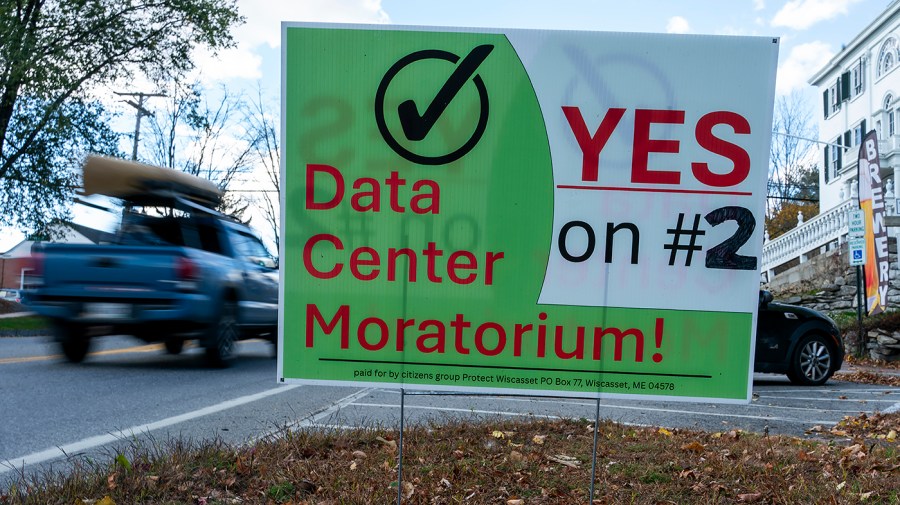
In a surprising turn of events this past Election Day, voters across the nation made their voices heard loud and clear. In Columbus, Georgia, the rejection of data centers became a pivotal issue, influencing key races and signaling a shift in public sentiment towards technology development in their communities. As the sun set on November 8, 2022, the ballots reflected a fierce pushback against the very industry that many had once welcomed with open arms.
On Election Day, voters overwhelmingly rejected proposals related to data center construction, marking a significant moment for local governance and community preferences. According to reports, where data centers were explicitly on the ballot, they faced resounding defeat. This was not merely a local issue; it mirrored a national trend where voters across the country expressed their discontent with industry-backed candidates, leading to a Democratic victory in several key races.
The rejection of these data centers was not simply about technology but rather a reflection of broader concerns regarding community impact and environmental sustainability. Many residents voiced worries that the construction of these facilities would lead to increased traffic, strain on local resources, and a loss of the community's character. As a result, voters rallied behind resolutions that aimed to halt such developments, sending a clear message to policymakers.
For many in Columbus, the opposition to data centers is deeply rooted in the desire to preserve their community's integrity. Local resident and community activist, Sarah Thompson, expressed her concerns, stating, "We are not against technology, but we want to ensure it aligns with our community values and needs. These data centers threaten to change our neighborhoods in ways that we cannot accept."
This sentiment resonates with a significant portion of the population, as many fear that the rapid expansion of technology would lead to a homogenization of their local culture. The pushback against data centers is not just a fleeting reaction; it is a call for a more thoughtful approach to development that prioritizes the well-being of families and local businesses.
While proponents of data centers argue that they bring jobs and economic growth, many residents remain skeptical. The allure of high-tech jobs often comes with the caveat of transient workforces and limited long-term benefits for the community. "We want jobs that support families and build our community, not just temporary positions that leave once the construction is done," said local business owner, Mark Johnson.
The economic argument for data centers is further complicated by concerns over environmental impact. Opponents highlight the significant energy consumption required by these facilities, raising questions about sustainability in a region that values its natural resources. As more residents become aware of these issues, the push to halt data center construction gains traction.
The rejection of data centers has also had significant political ramifications. Candidates who supported data center construction found themselves on the losing end of the election, indicating a shift in voter priorities. This election cycle has proven that community voices can influence political outcomes, particularly when it comes to local development issues.
Political analyst, Dr. Linda Carter, noted, "This election is a clear indication that voters are willing to mobilize around issues that directly affect their lives. It demonstrates a growing awareness that local governance must reflect the values and desires of the community, rather than corporate interests."
The results of the election have prompted local leaders to reassess their strategies and priorities. Mayor Skip Henderson, who has long been an advocate for economic development, acknowledged the community's concerns. "We need to listen to our residents and understand their fears and aspirations. It’s clear that we must find a balance between growth and preserving the unique character of Columbus," he stated in a recent press conference.
City Council member, LaTonia Smith, added, "This is a wake-up call for all of us in leadership positions. We have to engage more with our constituents and ensure their voices are heard in the decision-making process. The community has spoken, and it’s our duty to respond. We need to explore alternative avenues for economic development that align with our residents' values."
As Columbus moves forward, the rejection of data centers presents an opportunity for community leaders to engage in meaningful dialogue about the future of technology in the area. Residents are advocating for a balanced approach that fosters innovation while respecting the community's needs. This includes exploring alternatives to data centers that can provide economic benefits without compromising local values.
In the wake of this election, city officials are being urged to consider the implications of their decisions carefully. The community's response has made it clear that they are not just passive recipients of development but active participants in shaping their future. As discussions continue, the focus will likely shift towards sustainable technology initiatives that align with the community's vision.
One potential pathway is the development of local tech incubators that can nurture small businesses and startups, providing jobs that are more likely to remain in the community. Local entrepreneur and tech advocate, James Lee, emphasized the importance of supporting homegrown talent. "Instead of bringing in massive data centers, let's invest in our local innovators and create an ecosystem where they can thrive," he said.
In light of the recent elections, community engagement has emerged as a vital component in shaping Columbus's future. Local organizations, such as the Columbus Chamber of Commerce and various grassroots groups, are now focusing on creating forums for residents to voice their opinions and participate in discussions about economic development. These forums aim to bridge the gap between local government and constituents, ensuring that the community's needs are prioritized.
Moreover, initiatives are being proposed to promote responsible technology development that aligns with the environmental and social values of Columbus residents. This could involve partnerships with educational institutions to provide training and resources for residents interested in tech careers, thereby fostering a skilled workforce that can support sustainable local businesses.
Residents are also advocating for comprehensive studies to assess the long-term impacts of potential developments, ensuring that any new projects will benefit the community as a whole. As Sarah Thompson noted, "We need to look beyond the immediate economic gains and consider the long-term effects on our community's health, environment, and culture."
The rejection of data centers in Columbus is not just a localized issue; it reflects a growing national conversation about the role of technology in our lives and the importance of community-driven development. Other cities facing similar challenges may look to Columbus as a model for how to effectively engage residents and prioritize their voices in the decision-making process. This election has proven that when communities unite around shared values, they can create significant change.
In conclusion, the rejection of data centers in Columbus, Georgia, serves as a powerful reminder of the influence of local voices in shaping policy and development. As residents continue to advocate for their community's needs, the outcomes of this election may set a precedent for future decisions, ensuring that the American dream of a stable and nurturing environment remains intact. The ongoing dialogue between residents, local leaders, and businesses will be crucial in navigating this new landscape, and the community's commitment to thoughtful development may very well redefine the future of Columbus.
By Oliver Brooks

By Mohammed Ahsan

By James Ramirez

By Tamika Williams