
Health
U.S. adds 165,000 jobs in October as hiring rebounds
By Marcus Johnson
Advertisement · Why this ad?
Nina holds a degree in Real Estate from the University of Alabama and has worked in local real estate journalism for over 4 years. Before joining Columbus Current, she reported for the Birmingham Business Journal.
More from Nina →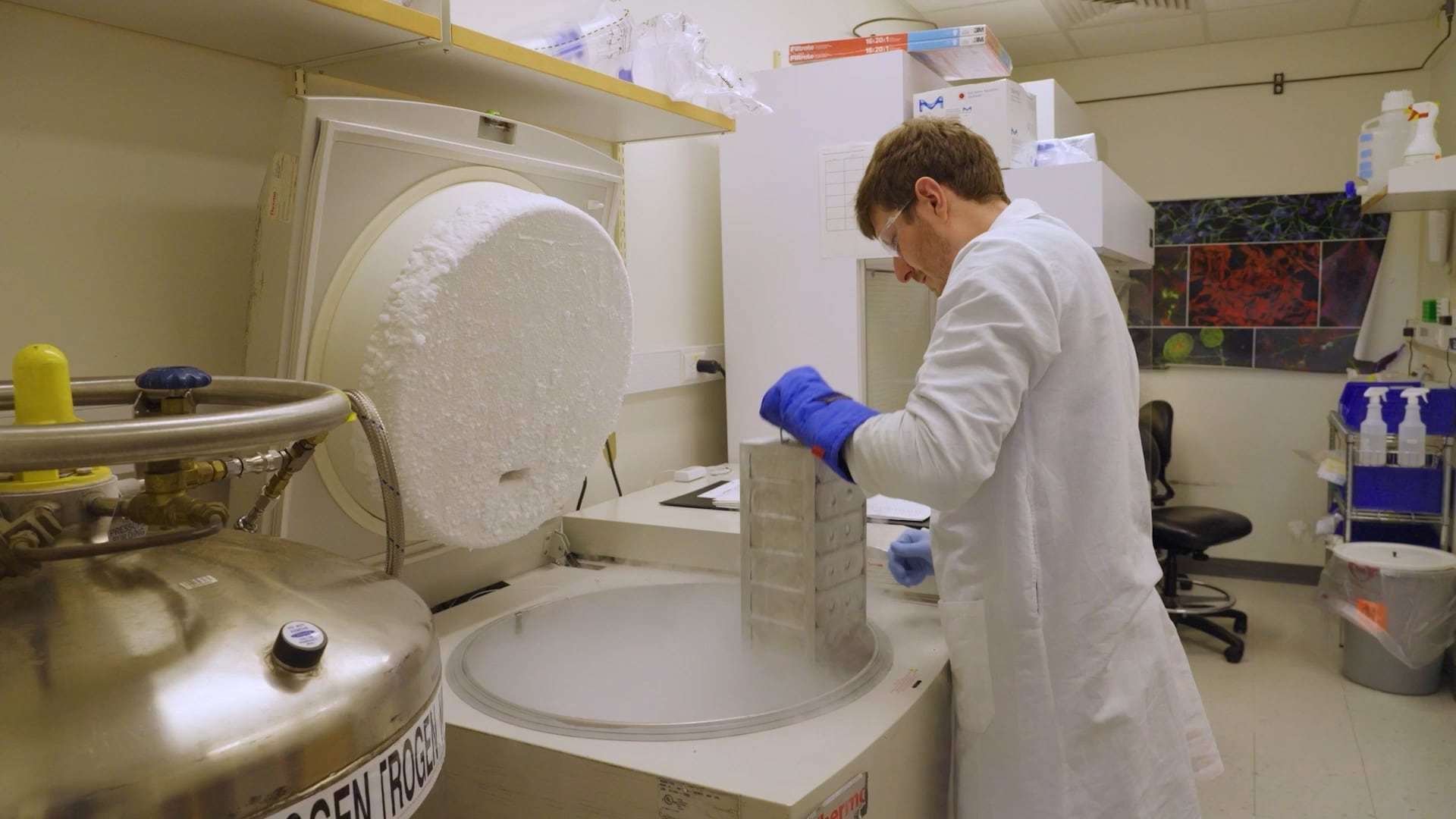
As the number of Amyotrophic Lateral Sclerosis (ALS) cases in the U.S. continues to rise, local residents like Jennifer Robb are grappling with the relentless progression of this disease. Known as Lou Gehrig’s disease, ALS is a progressive neurodegenerative condition that attacks motor neurons—the nerve cells responsible for controlling voluntary muscles. It’s a devastating diagnosis, leading to muscle weakness, paralysis, and eventually respiratory failure. Despite its severity, there is no known cure, leaving patients and families facing an uncertain future. The disease's impact extends far beyond the individual, placing immense strain on caregivers and highlighting the critical need for accessible support systems within our community.
Amyotrophic Lateral Sclerosis (ALS) is a progressive neurodegenerative disease that attacks motor neurons—the nerve cells responsible for controlling voluntary muscles. As these neurons die, the brain loses its ability to control muscle movement, leading to weakness and atrophy. This ultimately results in paralysis and difficulty with essential functions like walking, talking, swallowing, and breathing. While ALS can affect individuals of any age, it's most commonly diagnosed between the ages of 40 and 70. Columbus, Georgia, like many communities across the nation, is witnessing the profound challenges faced by individuals and families impacted by this disease. The rarity of ALS—affecting approximately 1 in every 100,000 people—contributes to the limited understanding and resources available for both patients and researchers. While genetic factors are believed to play a role in a small percentage of cases (approximately 5-10%), the majority are considered sporadic, meaning they occur without any apparent family history. This lack of a clear genetic link complicates research efforts and makes it difficult to pinpoint the underlying causes of the disease. The sporadic nature of ALS also means that environmental factors are increasingly suspected, though definitive connections remain elusive.
Two years ago, ALS began to take a significant toll on Jennifer Robb’s life. It has progressively stripped away her ability to walk, eat solid food, and even talk. Using a text-to-speech tool, Jennifer described her daily challenges as a “constant battle.” Her husband, Eric Robb, has stepped in as her full-time caregiver, but the disease’s rapid progression has forced them to adapt their daily routines. The couple now spends two hours getting Jennifer to bed and another two hours helping her wake up, a stark contrast from the 30-minute bedtime routine they enjoyed before. The increasing demands on Eric’s time led him to leave his job as a teacher, highlighting the significant impact ALS has not only on the patient but also on their families and loved ones. The emotional and financial strain of caregiving is substantial, often requiring significant sacrifices and adjustments for those involved. The Robb family's experience in Columbus, Georgia, is a stark reminder of the challenges faced by families dealing with this debilitating illness. The community has rallied around them, but the sheer scale of Jennifer’s needs underscores the lack of readily available resources for ALS patients and their caregivers. The fact that Jennifer is the third person from her home county to be diagnosed with ALS is particularly concerning, given the county's relatively small population (fewer than 40,000 people). This localized cluster of cases suggests that environmental factors specific to the region might be at play, although further investigation is needed to confirm this suspicion. The lack of statewide tracking means local health officials are likely unaware of the true prevalence of ALS within the county, hindering their ability to allocate resources and provide targeted support.
Dr. Stephen Goutman, an associate professor of neurology at the University of Michigan, echoed the Robbs’ experience. He highlighted that ALS is a relentless disease with no known cure, and the average life expectancy after diagnosis is just three years. Dr. Goutman has been working on researching and treating ALS for over a decade, focusing on understanding the disease’s progression and potential treatments. His research includes constant blood tests on patients, but he acknowledges that meaningful discoveries have been limited since the introduction of Riluzole over 30 years ago. Dr. Goutman's clinic at the University of Michigan Medical School is a vital resource for patients and families facing this diagnosis, providing specialized care and support. The clinic’s commitment to ongoing research offers a beacon of hope for those affected by ALS, though the progress remains slow and incremental. The limited number of treatments available—primarily focused on managing symptoms rather than addressing the underlying cause—underscores the urgent need for further research and therapeutic breakthroughs. Ben Murdock, also an associate professor of neurology at the University of Michigan Medical School, emphasizes that the increasing number of patients he sees suggests an underlying environmental factor is at play, prompting a critical need for better tracking and data collection.
Eric Robb emphasized the urgency of tracking ALS cases, saying, “People need to be aware of it. And the more they’re aware of it, the more funding there will be, the more help there will be for people with ALS.” Jennifer, who is the third person from her home county to receive ALS, advocates for mandated reporting to increase awareness and funding. “You have to have hope,” she said, expressing her belief that more people with ALS would be seen and the disease would be harder to ignore if reporting were mandated. The fact that three cases have emerged in a relatively small county (fewer than 40,000 people) raises concerns about potential localized environmental factors that could be contributing to the disease's prevalence. This underscores the importance of comprehensive data collection and epidemiological studies. The Robb family’s experience highlights the profound impact of ALS on families and the urgent need for increased awareness and support within the Columbus community. Local organizations, such as the Columbus Hospice, provide invaluable support to families facing serious illnesses, but the growing number of ALS cases underscores the need for expanded resources and specialized care.
According to the ALS Association, only a handful of states require doctors to report ALS cases, with Michigan being the latest to implement such a rule. However, more than a year after implementation, Michigan has yet to collect a single case. “We’re waiting on guidance from the health department,” Dr. Goutman said. This delay in data collection highlights the challenges of implementing new reporting systems and the importance of clear communication and coordination between healthcare providers and public health agencies. The lack of mandatory reporting across most states creates a significant gap in our understanding of the disease's true prevalence and potential risk factors. The absence of consistent data collection also hinders efforts to allocate resources effectively and target interventions where they are most needed. For communities like Columbus, Georgia, the lack of statewide tracking means that local health officials may be unaware of the true prevalence of ALS within their region, limiting their ability to provide targeted support and resources. The current system relies heavily on voluntary reporting, which is often incomplete and unreliable.
The push for mandatory reporting isn't merely about counting cases; it's about unlocking crucial information. By tracking where ALS patients live, researchers can begin to investigate potential environmental factors that might be contributing to the disease. This could include exposure to specific toxins, pollutants, or even geographic variations in diet or lifestyle. Dr. Goutman’s research suggests a possible link between metal exposure and ALS risk, but without comprehensive data, it’s difficult to confirm or refute this hypothesis. The absence of a national registry hinders these investigations, making it challenging to identify patterns and trends that could lead to breakthroughs in prevention and treatment. Furthermore, tracking data can help identify disparities in access to care and diagnosis, ensuring that all communities have equitable opportunities for treatment and support. The potential for environmental factors to play a role in ALS development is particularly concerning, as it suggests that preventative measures could be implemented to reduce risk. The delayed implementation of Michigan’s reporting system underscores the logistical and bureaucratic hurdles that often accompany efforts to improve public health surveillance.
Dr. Goutman and his colleague, Ben Murdock, are among the researchers working tirelessly to find a cure. They are particularly interested in understanding the environmental factors that may contribute to the rise in ALS cases. “Individuals exposed to metals seem to have a higher risk of ALS, and we don’t entirely know why that is, but it’s giving us something to dig into,” Dr. Goutman explained. Murdock emphasized the need for more funding and data collection, stating, “The number of people that I care for in the 14 years that I’ve been here has almost doubled, and so there has to be a reason why.” The current treatment options for ALS are limited. Riluzole, the gold standard treatment, provides only a modest extension of life—an extra two or three months—and does not address the underlying disease process. The significant disparity in funding compared to other diseases like cancer, Alzheimer’s, and HIV/AIDS highlights the relative neglect of ALS research and the urgent need for increased investment. While researchers are exploring various therapeutic avenues, including gene therapy and targeted drug delivery, a cure remains a distant goal. The CDC maintains a national ALS registry relying on self-reporting, but its incompleteness underscores the need for mandatory reporting systems to capture a more accurate picture of the disease’s prevalence.
The story of Jennifer Robb and the broader challenge of rising ALS cases underscores the importance of community awareness, research funding, and proactive public health measures. While a cure remains elusive, increased data collection and targeted research offer hope for a brighter future for those affected by this devastating disease.
By Marcus Johnson

By Elijah Thompson

By Jessica Tran

By Chloe Adams